
Want create site? Find Free WordPress Themes and plugins.
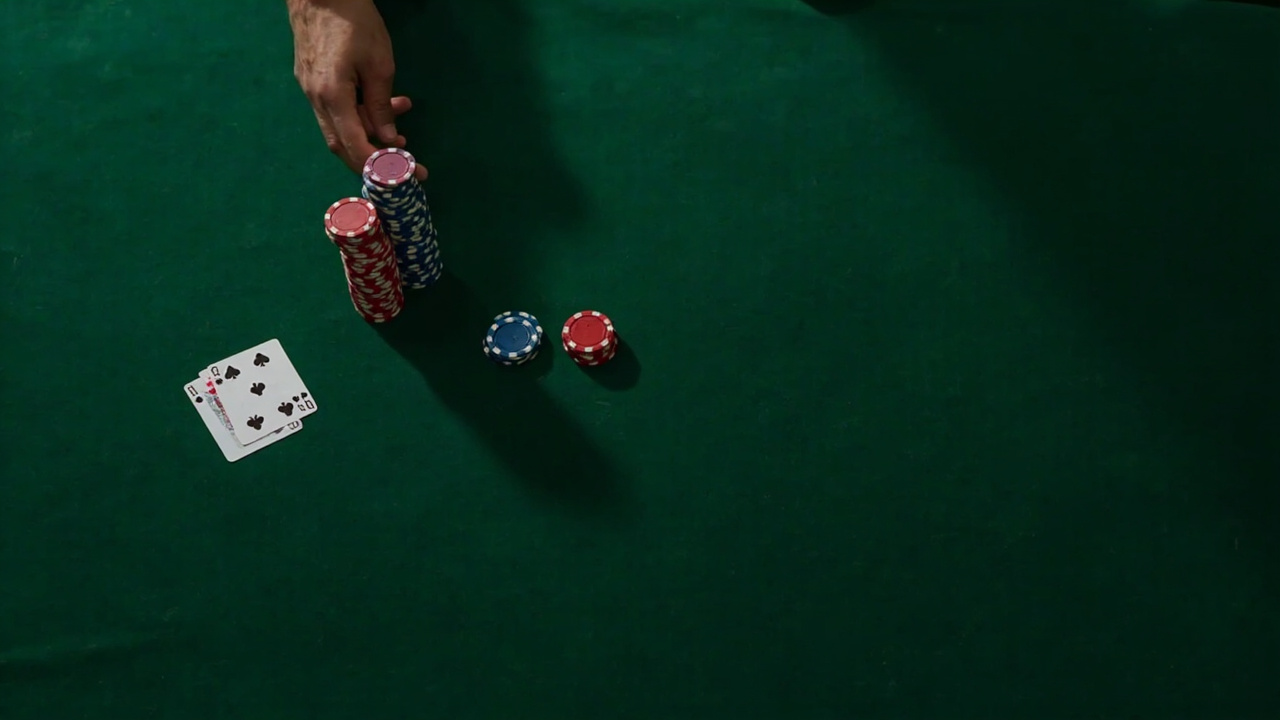
Poker pot odds explained sounds arithmetic-heavy, but it is really a discipline of patience: knowing when the price to call exceeds the risk you accept. For Australian cash-game players, that judgement matters even more when welcome offers come with ongoing cashback, loyalty tiers and repeat tournaments. This guide explains the maths, then tests it against the value beyond a starting bonus.
Pot odds and the true cost of calling

Pot odds compare the amount you must call with the chips already in the pot. If the pot holds $40 and you face an $8 bet, you need $8 in equity to call: your break-even chance is $8 divided by $48, or 16.7%. That figure assumes the bet settles the hand immediately. It does not account for cards still to come, which is where implied odds enter the picture. For a useful next step, implied odds explained for Australian players shows how future streets can change a decision that looks expensive on the surface.
Pot odds do not tell you whether a hand is good. They tell you whether a particular price is reasonable. A weak flush draw can justify a call; a strong pair can justify a fold when the price is steep. Keeping those ideas separate prevents the common mistake of treating mathematical profitability as an automatic instruction to play.
The discipline is especially relevant when a bankroll is finite. In my view, a player who calculates a price but ignores variance is managing a spreadsheet, not a bankroll. That is the sort of governance judgement I apply to wagering businesses: controls should govern player outcomes, not merely decorate them.
| Pot before the bet | Opponent’s bet | Pot after the bet | Break-even equity |
|---|---|---|---|
| $40 | $8 | $48 | 16.7% |
| $100 | $20 | $120 | 16.7% |
| $60 | $30 | $90 | 33.3% |
| $30 | $5 | $35 | 14.3% |
Notice the pattern. The break-even percentage depends on the ratio between the call and the total pot, not the absolute dollar amount. Two different pots can produce the same percentage, while two calls of the same size can produce very different thresholds.
Reading the decision in practice
Turn decisions with one card to come
On the turn, the formula is straightforward: call amount divided by the final pot. Facing a half-pot bet, you need 25% equity. Facing a third of the pot, you need about 20%. Facing 75% of the pot, you need roughly 33%. These are useful anchors because many Australian online cash games feature pots beginning around $1 and typical table stakes spanning $0.50 to $5.
Suppose you hold an open-ended straight draw in a $60 pot and face a $30 bet. You need one of eight outs to arrive, giving 32% raw equity, slightly below the 33.3% break-even point. The call is marginally negative on the turn. If a river card can complete a flush and add meaningful value, implied odds may rescue the decision, but only if you believe the betting will continue.
River decisions and the price of information
On the river, no future cards can improve your hand. Pot odds become the complete decision rule. There is no “closing the action” shortcut and no licence to chase a bluff because the maths feels uncomfortable. If your equity is below the required percentage, the correct answer is fold.
This is where recreational players lose bankrolls: they treat a dramatic final street as an invitation to gamble. Archie Morris, Board Member, Australian Gaming Futures, offers a practical caveat: “Pot odds reward restraint, but sound bankroll limits still matter because variance does not negotiate with a spreadsheet.” That framing is consistent with how I assess operators: mathematics cannot compensate for weak limits or poorly disclosed incentives.
Connecting pot odds to ongoing player value
A bonus can provide chips, but a good offer ecosystem determines whether you keep playing. Recurring cashback on qualifying poker losses can return more value than a single credit, particularly for tight-fold players who decline marginal spots. Loyalty tiers add another layer: weekly rakeback, monthly tournaments and status perks create reasons to return after the welcome offer expires.
Pot odds support that ecosystem by protecting the bankroll that funds repeat sessions. A player who calls at 16.7% break-even in every marginal situation may consume their balance slowly, making it harder to reach a tournament stake or tier threshold. Properly applied pot odds preserve capital without requiring unrealistic results.
Ruby Ryan, iGaming Regulatory Consultant, Sunburnt Country Interactive, warns against conflating promotional generosity with product quality: “A larger welcome credit does not fix unclear terms, and recurring value depends on transparent conditions rather than headline figures.”
Practically, check whether cashback is calculated on poker losses, whether tournament volume is genuinely available to your stake level, and whether loyalty rewards require activity that your bankroll cannot support. No worries, this need not become a second job: two or three well-chosen sessions can preserve eligibility better than one exhausting all-in attempt. https://moneytrain4demo.com
What this means for Australians
Australian players should verify that the operator holds an appropriate Australian licence and publishes clear terms for cashback, wagering requirements and withdrawal timing before depositing. Keep records of deposits, withdrawals and promotional credits, and never treat promotional play as a substitute for a properly sized bankroll. Offshore sites are not licensed or regulated in Australia merely because they accept Australian customers, so local verification and payment protections deserve careful attention.
This legal lens shapes how I evaluate any gambling product: player funds, identity checks and dispute procedures matter alongside entertainment. A strong offer cannot compensate for opaque governance.
For local context, Newcastle’s gaming culture spans licensed venues, private social games and online play, with busy arvo sessions and weekend tournaments drawing regulars. Those are the same people who need pot odds to survive variance, not just to win a single hand.
Player-fit verdict
Poker pot odds explained suits disciplined cash-game players who want to preserve bankroll, qualify for cashback and build tournament entries over time. It is less relevant to punters chasing entertainment through random all-ins, though the underlying arithmetic remains sound in every format. Choose an operator with clear Australian licensing, transparent recurring rewards and adequate table limits; then treat pot odds as the guardrail that keeps the rest of your strategy intact.
Did you find apk for android? You can find new Free Android Games and apps.